On-Page vs Off-Page SEO: Understanding the Core Differences
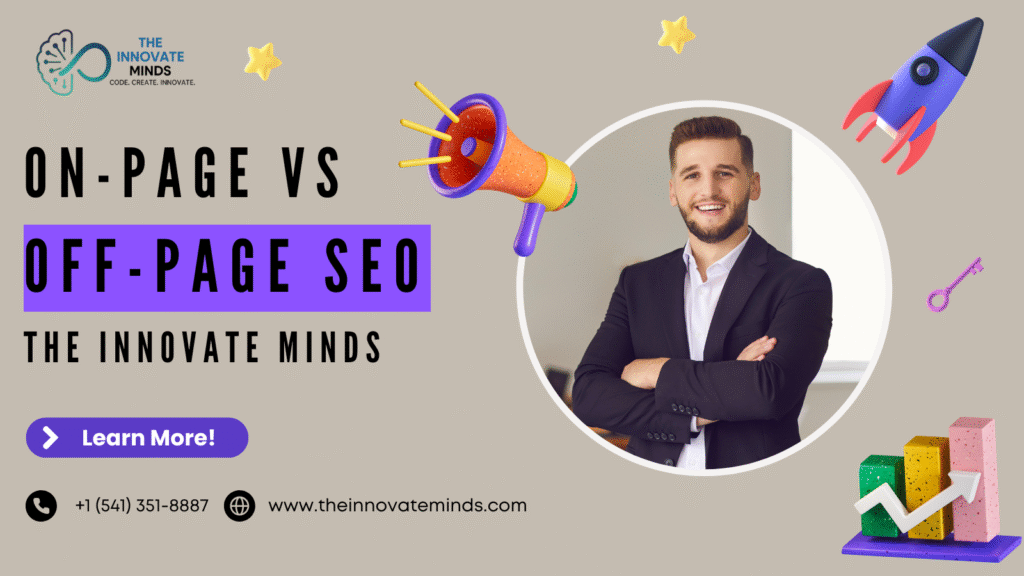
Search engine optimization plays a central role in how businesses attract traffic, build credibility, and convert users online. Yet many website owners struggle to understand where to focus their efforts—on the website itself or beyond it. This is where the distinction between on-page SEO and off-page SEO becomes essential.
Both strategies aim to improve search engine rankings, but they operate in different ways. Understanding how they differ, and how they complement each other, allows businesses to build a balanced and sustainable SEO strategy.
What On-Page SEO Really Means
On-page SEO includes all optimization techniques applied directly to your website. These efforts help search engines interpret your content accurately while ensuring users have a smooth and engaging experience. Everything from text to visuals to page structure falls under this category.
Unlike off-page SEO, on-page optimization is fully within your control. When done correctly, it creates a strong foundation that supports all other SEO efforts.
Content Optimization as the Foundation
Content is the backbone of on-page SEO. Search engines prioritize pages that provide helpful, original, and well-organized information aligned with user intent. High-quality content keeps visitors engaged longer and increases the chances of ranking for relevant queries.
Effective content is:
- Written for users first, not just search engines
- Structured with clear headings and short paragraphs
- Updated regularly to maintain accuracy and relevance
Strategic Keyword Placement
Keywords help search engines understand what your page is about. Modern SEO focuses on natural keyword usage rather than repetition. Primary and related keywords should appear organically within headings, body text, URLs, and meta information.
Overusing keywords can harm rankings, while thoughtful placement improves relevance and readability at the same time.
Role of Titles, Meta Descriptions, and URLs
Title tags and meta descriptions are often the first interaction users have with your website in search results. Well-written titles improve click-through rates, while meta descriptions provide clarity about what users can expect.
Clean and descriptive URLs further enhance usability and SEO by clearly indicating page content to both users and search engines.
Internal Linking and User Experience
Internal links guide visitors to related pages, helping them explore your website more effectively. They also help search engines crawl and index your content efficiently. A clear internal linking structure improves engagement, reduces bounce rates, and distributes authority across your site.
Understanding Off-Page SEO
Off-page SEO refers to actions taken outside your website to build trust, authority, and visibility. While you can influence off-page SEO, you cannot fully control it. Instead, it is earned through credibility and value.
Search engines view off-page signals as indicators of how trustworthy and relevant your website is within its industry.
Importance of Backlinks in SEO
Backlinks are links from other websites pointing to your pages. They act as endorsements, signaling that your content is valuable and reliable. High-quality backlinks from authoritative sources carry significantly more weight than large volumes of low-quality links.
Earning backlinks typically involves publishing valuable content, forming industry partnerships, and building a strong brand presence online.
Brand Mentions and Online Reputation
Even without direct links, brand mentions contribute to off-page SEO. When your business is discussed across blogs, forums, or media platforms, search engines recognize these signals as indicators of authority.
Online reviews also play a major role, especially for local businesses. Positive reviews build user trust and improve local search visibility.
Social Media and SEO Influence
Although social media signals are not direct ranking factors, they amplify content reach. Increased visibility often leads to more engagement, shares, and backlink opportunities, all of which support long-term SEO growth.
On-Page vs Off-Page SEO: Key Differences
On-page SEO focuses on relevance and structure within your website, while off-page SEO builds trust through external validation. One cannot perform well without the other. Strong content without authority may go unnoticed, and authority without quality content rarely converts.
Together, they form a complete SEO strategy that delivers both short-term improvements and long-term stability.
How The Innovate Minds Supports SEO Success
The Innovate Minds is a professional digital solutions company that helps businesses align on-page and off-page SEO strategies for sustainable growth. Their expertise ensures websites are optimized not only for search engines but also for real users.
In addition to SEO services, The Innovate Minds offers comprehensive digital solutions including Website Development, Digital Marketing, Mobile Application Development, UI/UX & Graphic Designing, and Content Creation. These services work together to strengthen brand identity and online performance.
Businesses looking to improve visibility or refine their digital presence can explore these solutions based on their specific goals.
When to Consider Professional SEO Assistance
SEO can be time-consuming and technically demanding. Professional support is beneficial when launching a new website, competing in a crowded market, or recovering from declining traffic.
For guidance or consultation, businesses can connect with The Innovate Minds through:
- Website: theinnovateminds.com
- Phone: (541) 351-8887
- Email: contact@theinnovateminds.com
Final Thoughts
Understanding the difference between on-page and off-page SEO helps businesses make smarter marketing decisions. On-page SEO ensures clarity, usability, and relevance, while off-page SEO builds trust and authority across the web.
When combined effectively, these strategies create a powerful framework for long-term search engine success and consistent online growth.